


Spinning Interest Group

In person Spinning Session at the Burridge Community Centre
In person Spinning Session at the Burridge Community Centre
Like last year – we will have a shared pot luck lunch – from 12.30. please bring along food to share with everyone, and your own plate. We have plenty of cutlery, glasses and cups at Burridge.
Annual Competitions 2026:
The following subjects have been set for our awards 2026:
The Kennedy Cup for Spinning:
Using the quantity the Whitefaced Woodland fleece provided by the Guild, decide on how best to process and spin the fibre. Research the breed’s fleece type, decide on a spinning method and prepare the fleece as you prefer. The aim is to present a 20g skein at the Christmas meeting with notes of your research, your process and the intention for how you would use a larger quantity of the sample yarn.
The Tapestry Prize: Our theme this year is ‘Mille Fleurs‘, a thousand flowers.
Mille Fleurs can be interpreted in any way you choose, by looking at and putting a modern twist to Mille Fleurs in medieval tapestries or stylised flowers in Islamic pottery and tiles or weave your favourite flowers in a style that suits your design.
As always you need to show the development of your ideas through sketches or collage to the final woven tapestry using any technique suitable to best express your idea.
Lore Youngmark Memorial Competition for Weaving: Three From One
The emphasis is on inventiveness, experimentation and creativity, so your samples can be woven on any kind of loom. And definitely, having fun!
Gwen Shaw Cup: Celebrating the Natural World
We will begin voting on competition entries over lunch, concluding at 2pm.
Alongside our usual competitions, we will also have an extended show and tell. Please bring work to share with everyone. It does not have to be part of the competitions. You can obviously include any work you had in the Morley exhibition.
Further details on this talk will be added
Zoë set off in June 2022 on a 1000mile ‘Walk for Earth’ with her pack mule, Falco. Her walk took her from Oxford to Loch Lomond and promoted awareness of ecocide. She combined her pilgrimage with a creative community project inviting handweavers, spinners and natural dyers from all around the UK to collaborate in the making of a blanket as part of the Interwoven project. Join us in September to hear Zoë talk about her project.
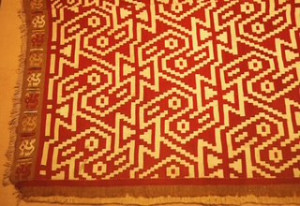
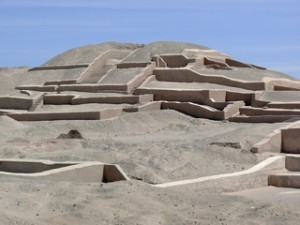
Janice has exhibited widely in the UK and has commissioned work in churches in SE England. She is widely travelled, particularly South America, and her own textile craft is inspired by the ancient textiles she has encountered.
She will bring some examples of her work, along with sketchbooks and some fragments of ancient textiles, as well as natural fibres used in some of the textiles.
This is a special month with three of our members talking about their craft – each talk will be accompanied by a powerpoint presentation and samples
In the Stroud valleys, nestled in ancient beech woods, a medieval weaving heritage changed the landscape forever. These shapes and colours inform my weaving today.
This talk reflects on my artist residency, exploring the legacy of Jamdani weaving and how traditional techniques continue to be practised today within the weaving community in Sonargaon, Bangladesh. Through engaging directly with the process of weaving, I became interested in the forms of non-verbal knowledge embedded within the practice.
The residency highlighted the resilience of the community and revealed collaborative and sustainable modes of creation that are often unrecorded or overlooked within Western knowledge systems. Working closely with a Master weaver allowed me to experience weaving as a shared process of exchange, dialogue, and learning.
I will talk about what might inspire me and how I works through to a finished piece. I was inspired to raise the profile of chalk streams and the dangers they face and have produced several pieces as reminders.
Come along and see what we are about. Have a go yourself.
Hands on demonstrations of spinning, weaving and dyeing
You can also book on a Tapestry Weaving workshop for beginners and improvers: £20 (frame and fibres included) 1.30 – 3.30 pm. Tickets available on Eventbrite
Flax to Linen – Growing, harvesting and processing flax to linen in social plots, school playgrounds and museum grounds. Encouraging engagement with everyone from children upwards to learn about Linum usitissimum.
An overview of growing and processing flax and linen, both on a simple personal level but also involving many others and sharing the love and skills.
I have been working with flax and linen for many years and coming from Northern Ireland it was a very familiar textile to me as a child. Ten years or so ago I began work with 15 or so Inner London Primary Schools where a small area is put aside for the pupils to grow flax. I helped to start some local community flax growing plots in my own neighbourhood. I also work at the Weald and Downland Museum where I am the lead of flax. We try to use as many traditional practices there showing the public historical ways of working.
Max will talk about his quest to recover traditional methods of linen weaving;
including his research into the 19th century linen industry of North & South
Lopham in Norfolk and the reconstruction of historic equipment.
www.maxmosscrop.com

This talk delves into the rich textile heritage of the Bai people of Dali,
Yunnan — an ethnic minority known for their deep spiritual connection to
nature and their exquisite, symbolic craftsmanship.